
Contents
- 1 What is HRIS?
- 2 Best 15 HR Software Benefits
- 2.1 Enhanced Efficiency and Productivity
- 2.2 Improved Employee Experience
- 2.3 Streamlined Recruitment and Onboarding
- 2.4 Data-Driven Decision Making
- 2.5 Cost Savings and ROI
- 2.6 Better Compliance Management
- 2.7 Simplified Benefits Administration
- 2.8 Accurate Time and Attendance Tracking
- 2.9 Enhanced Data Security and Privacy
- 2.10 Improved Performance Management
- 2.11 Facilitated Learning and Development
- 2.12 Simplified Payroll Processing
- 2.13 Better Workforce Planning
- 2.14 Increased Employee Self-Service
- 2.15 Improved Communication and Collaboration
- 3 Choosing the Right HR Software
- 4 Implementation Best Practices
- 5 The Future of HR Software
- 6 Conclusion
What is HRIS?
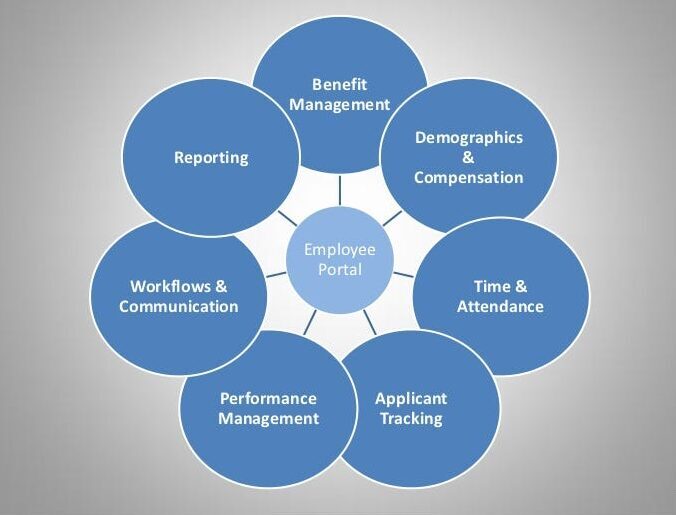
HR software, also known as Human Resource Information Systems (HRIS) or Human Resource Management Systems (HRMS), is a digital solution that streamlines HR processes. It typically includes features for:
- Employee data management
- Payroll processing
- Time and attendance tracking
- Benefits administration
- Recruitment and onboarding
- Performance management
- Learning and development
- Reporting and analytics
Best 15 HR Software Benefits
Enhanced Efficiency and Productivity
- Automates time-consuming tasks
- Reduces manual data entry and errors
- Frees up HR staff for strategic initiatives
Improved Employee Experience
- Offers self-service portals for employees
- Facilitates better communication
- Promotes work-life balance with HR Software features such as leave management
Streamlined Recruitment and Onboarding
- Automates job posting and applicant tracking
- Provides structured onboarding workflows
- Improves new hire experience
Data-Driven Decision Making
- Offers real-time access to HR metrics and analytics
- Enables evidence-based HR policies and practices
- Supports predictive analytics for future trends
Cost Savings and ROI
- Reduces administrative costs through automation
- Minimizes errors in payroll and benefits administration
- Improves resource allocation
Better Compliance Management
- Keeps track of changing labor laws and regulations
- Automates compliance reporting
- Reduces risk of non-compliance penalties
Simplified Benefits Administration
- Streamlines benefits enrollment processes
- Facilitates easier management of multiple benefit plans
- Reduces errors in benefits calculations
Accurate Time and Attendance Tracking
- Automates time tracking and reduces time theft
- Guarantees precise payroll calculations based on actual hours worked
- Provides insights into workforce productivity
Enhanced Data Security and Privacy
- Offers role-based access control
- Ensures compliance with data protection regulations
- Provides secure storage and backup of employee data
Improved Performance Management
- Facilitates regular feedback and performance reviews
- Aligns individual goals with organizational objectives
- Supports data-driven performance improvement strategies
Facilitated Learning and Development
- Manages training programs and tracks completion
- Identifies skill gaps and recommends relevant training
- Supports career development planning
Simplified Payroll Processing
- Automates complex payroll calculations
- Ensures accurate tax withholdings and deductions
- Provides detailed payroll reports and analytics
Better Workforce Planning
- Offers insights into workforce demographics and trends
- Supports succession planning and talent pipeline management
- Enables scenario planning for future workforce needs
Increased Employee Self-Service
- Allows employees to update personal information
- Enables self-service for common HR requests
- Empowers employees and reduces workload on HR staff
Improved Communication and Collaboration
- Offers centralized platforms for company-wide communication
- Facilitates team collaboration and project management
- Supports virtual onboarding and remote work arrangements
Choosing the Right HR Software
When selecting HR software, consider:
- Company size and growth plans
- Budget and ROI
- Required features
- User-friendliness
- Integration capabilities
- Customization options
- Mobile accessibility
- Data security and compliance
- Vendor reputation and support
- Cloud vs. on-premise deployment
Implementation Best Practices
- Conduct a thorough needs assessment
- Involve key stakeholders in the selection process
- Plan for data migration and system integration
- Provide comprehensive training for all users
- Start with a pilot program before full rollout
- Regularly review and optimize system usage
The Future of HR Software
As technology evolves, HR software is incorporating:
- Artificial Intelligence and Machine Learning for predictive analytics and personalized recommendations
- Advanced employee experience platforms
- Continuous performance management tools
- Heightened emphasis on data privacy and ethical use of AI
Conclusion
HR software is no longer just a tool for administrative tasks – it’s a strategic asset that can drive organizational success. By leveraging the HR software benefits, companies can create more efficient processes, make data-driven decisions, and foster a more engaged and productive workforce.
As you consider implementing or upgrading your HR software, remember that the right solution can transform your HR function from a cost center to a value driver, ultimately contributing to your company’s bottom line and long-term success.

June 9, 2026

June 9, 2026

June 9, 2026
June 9, 2026

June 9, 2026