
Ask this and you’ll be handed a table of forty vendors and their headline prices.
Which is a fair answer to a different question. It tells you what the plans are called and nothing about what you’ll be billed.
Social listening is usage-based, so the plan name is a label and the meter underneath it sets the price. Two companies buying the same tier routinely pay markedly different amounts.
Key Takeaways
- You’re buying mention volume, history depth and source coverage, not seats.
- A mention spike arrives exactly when you most need the tool working.
- Free tiers cap history to days, which removes the reason to have one.
The Published Ranges
Four bands, and they hold reasonably well even as individual prices move.
| Band | Monthly | What it buys |
|---|---|---|
| Free | Nothing | A few days of history, one or two sources |
| Entry | 30 to 150 dollars | Alerts on new posts, basic sentiment, one brand |
| Mid-market | 200 to 600 dollars | Higher volumes, multiple brands, reporting |
| Enterprise | Quoted annually | Deep history, full sources, no volume caps |
Treat those as a sanity check on a quote rather than a price list. Any specific figure you read today was accurate on the day somebody wrote it down.
Why the Published Tables Disagree
They’re built from whatever each vendor chose to publish.
Entry prices are advertised because they win comparisons. Mid-market prices are sometimes listed and sometimes not.
Enterprise pricing is almost never published, so the tables fill that column with a guess or leave it blank.
Prices also move on a schedule nobody synchronises with those posts. A table dated this year was assembled over a few weeks and started aging immediately.
Use them to learn which tools exist at roughly which level. Don’t use them to predict an invoice.
What You’re Buying
Three meters run underneath every plan, and they’re what the salesperson is pricing.
The first is mention volume: how often your terms can be found in a month. The second is history: how far back the tool can look on the day you ask it. The third is coverage, meaning which platforms, forums, review sites and news sources are included.
Every quote you receive is those three numbers wearing a plan name. Change any one of them and the price moves, which is why the tables never match what people pay.
Who Each Band Suits
The bands map onto situations more cleanly than they map onto company sizes.
Free suits checking whether a conversation exists at all. Entry suits one brand, one market, and a person who will read the alerts as part of another job.
Mid-market starts making sense with two or three products or markets, or when a report goes to somebody who didn’t gather it. Enterprise is for teams where listening feeds a decision on a schedule, and its price reflects the history depth and coverage those decisions need.
Why Two Companies Pay Differently
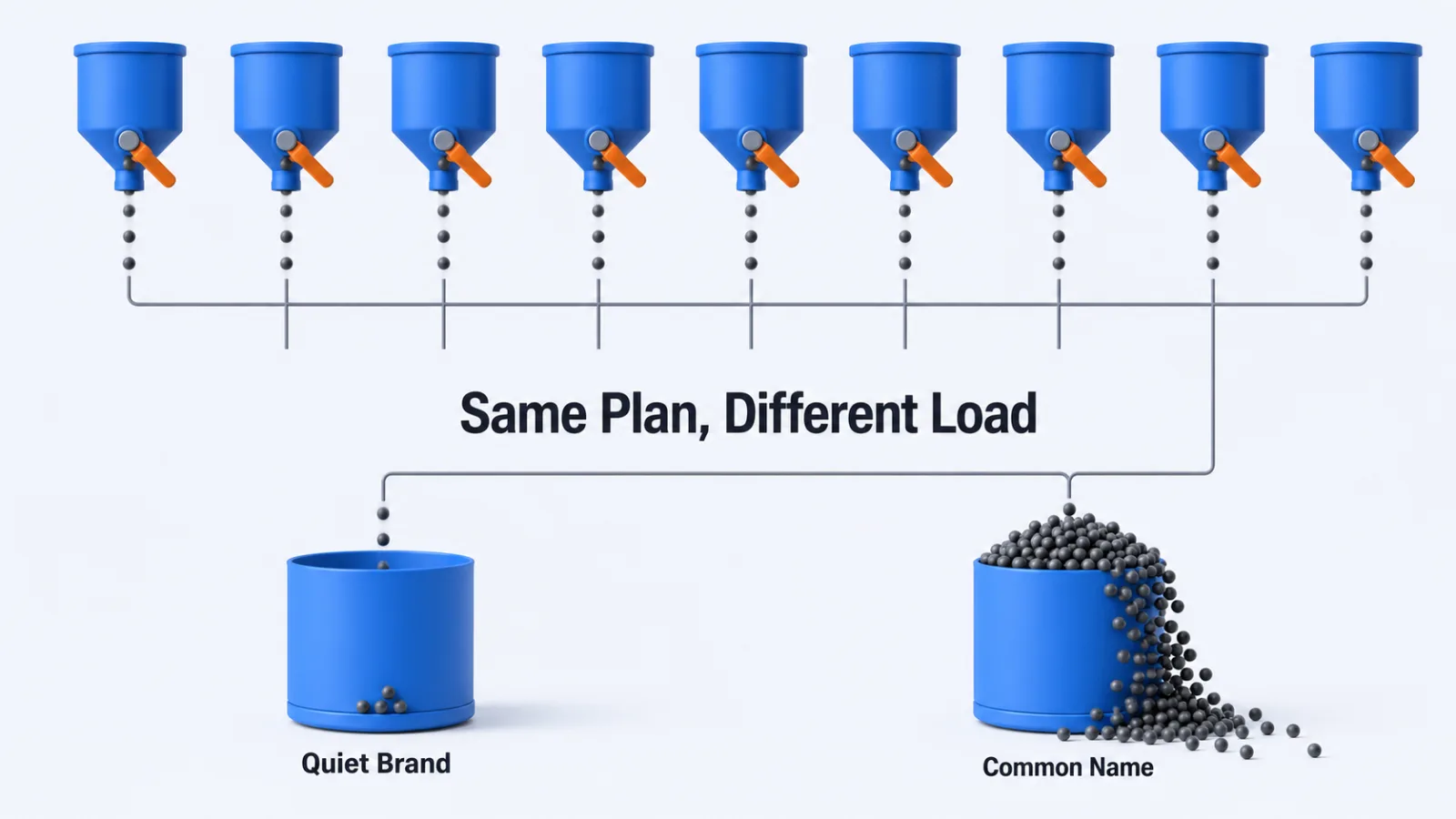
They’re tracking different amounts of the internet.
A brand nobody discusses might sit inside an entry allowance forever. A consumer brand with a common name burns the same allowance in a week.
Every unrelated use of that word counts against you until somebody tunes the query.
That tuning is real work and it’s rarely quoted. Narrowing a search so it catches your brand and not a dictionary word is the difference between a plan that fits and one that overflows monthly.
The Spike Nobody Budgets For
Volume isn’t steady, and it isn’t yours to control.
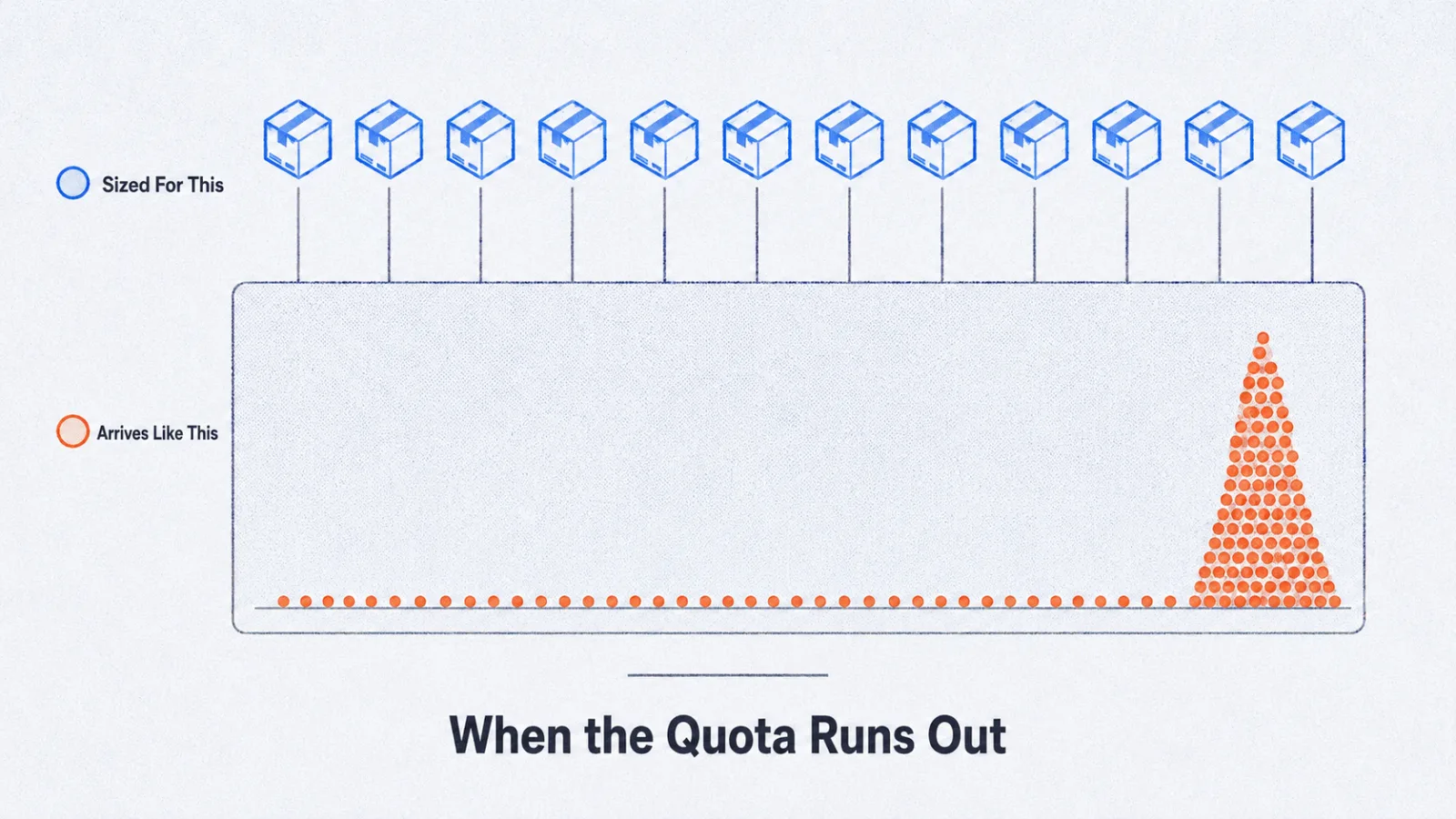
A product launch, a viral complaint, a competitor naming you, a news story: each multiplies your volume for days. The quota you sized against a quiet month runs out during the week you most need to be watching.
Ask what happens at the ceiling before you sign. Some tools stop collecting, which loses the data permanently, and others keep collecting and invoice the overage. The second is usually better and it should be a decision rather than a surprise.
What Free Tools Are For
They answer one question well and the rest badly.
The question they answer is whether anybody is talking about you, and for a brand that has never checked, that’s worth knowing before spending anything. Two weeks on a free tier also gives you the mention estimate you need to size a paid plan.
What they can’t do is look backwards, hold a history, or cover the sources beyond the largest networks. Those three are the reasons people buy, so a free tool is a measuring instrument rather than a smaller version of the paid product.
How Far Back It Looks
History depth is the lever people discover after buying.
Free and entry tiers commonly hold a few days to a month. That’s enough to see what happened this week and useless for the two jobs listening is bought for: spotting a trend, and reconstructing what happened during an incident.
Historical data is priced separately by most vendors, sometimes as a one-off backfill. If you need last year’s baseline to prove this year moved, ask for that number in the first conversation rather than the last.
Which Sources Are Included
Coverage varies more between tools than price does.
Public posts on the large networks are table stakes. Forums, review sites, podcasts, news and comment sections are where tools genuinely differ.
Any platform with restrictive access terms costs the vendor money to include, and that reaches you as a higher tier. Vendors may route the same access problem through an unblocker, and the cost of that layer is what separates the entry tier from the higher one, even when the surface features look identical.
Check where your audience complains rather than where it posts. A brand discussed mainly in niche forums is badly served by an expensive tool covering the networks it isn’t mentioned on.
The Costs That Aren’t on the Pricing Page
Five lines appear after the demo rather than before it.
- Initial setup, charged once and quoted per project.
- Historical backfill, priced by how far back you want to go.
- Extra seats, which are cheap individually and add up across a team.
- Exports and API access, frequently gated to higher tiers.
- Overage, billed when volume passes the ceiling.
Ask for the first-year total including all five. That number is the one worth comparing between vendors, and it’s rarely the one on the page.
What It Costs You in Time
The subscription is the cheap half.
Listening produces a stream that somebody has to read, and a tool tracking a busy brand generates more in a week than one person can review. Unread alerts are the commonest way this spend goes to waste, and no plan tier fixes it.
Budget the hours before the license. An hour a week to review and route what matters is the realistic minimum, and a crisis costs considerably more than that on the day it happens.
A cheaper tool somebody reads beats an expensive one nobody opens. That’s the trade most buyers get backwards, because only one side of it appears on an invoice.
Three Times to Wait Instead
Three situations where waiting is the better call.
Nobody is talking about you yet. If a free tool finds four mentions a month, a paid one will find five, and the money is better spent giving people something to mention.
Nobody will act on it. Listening that reaches a dashboard nobody owns changes nothing, and the first fix is deciding who reads it and what they’re allowed to do about what they find.
Your questions are answerable another way. Asking customers directly, or reading your own support inbox, answers a surprising share of what people buy listening tools to discover.
Standalone or Inside a Suite
Check what you already pay for before buying anything.
Listening is bundled into most social suites at the middle tier, and for a small brand that bundled version is frequently enough. Paying twice for overlapping tools is the commonest waste in this category, and social media management tools are where that overlap usually sits.
Buy standalone when listening is the main job rather than a side effect. The same applies when you need history a suite won’t give you, or when the people using it aren’t the people posting.
Size It Before You Ask for a Quote
Four numbers turn a demo into a negotiation.
Count your brand terms, including misspellings and product names. Estimate a normal month’s mentions using a free tool for two weeks. Decide how far back you need to see, and list the sources that genuinely matter to you.
Walk in with those and the conversation is about your usage rather than their tiers.
What you intend to do with the output is a separate question, covered in social media listening strategies. Settle that first, because it determines the four numbers.
For a broad view of what sits in this category before you shortlist, the media monitoring tools round-up covers the landscape.
Six Questions for the Demo
Ask these before the pricing conversation rather than after it.
- What counts as one mention, and does a repost count separately?
- What happens when we pass the volume ceiling: stop, throttle or bill?
- How far back does history go on day one, and what does more cost?
- Which sources are included at this tier, and which are the next tier up?
- What does the renewal look like after a discounted first year?
- What is the total first-year cost including setup and any backfill?
The answers vary more between vendors than the headline prices do, and the last two are the ones that decide whether the second year hurts.
Questions People Ask About Social Listening Pricing
How much does social listening cost per month?
Entry tools start near thirty dollars a month and run to about a hundred and fifty. Mid-market sits between two hundred and six hundred, and enterprise contracts are quoted annually and reach five figures.
Are free social listening tools worth using?
For checking whether anyone is talking about you, yes. They cap how far back you can look, usually to a few days, which makes them unable to do the job most people buy listening for.
What makes one quote higher than another?
Mention volume first, then how far back the history goes and the number of sources included. Two companies on the same named plan pay different amounts because those three differ.
Do you pay more for more users?
Usually, and it’s rarely the biggest line. Seats add a predictable amount while mention volume is the one that moves without warning.
Can you negotiate social listening pricing?
On annual contracts, yes, and the lever is commitment length rather than the headline rate. Ask what happens at renewal before agreeing to a discounted first year.
Price the Meter, Not the Plan
Before comparing a single vendor, write down your mention volume, your history requirement and your source list.
Those three decide your quote whichever logo is on it. A vendor who can’t tell you how each one affects the price is quoting a plan rather than a service.
The tables of headline prices will keep being published and keep going stale. Your three numbers won’t.
Add SocialAtoZ as a preferred source
See us more often in your Google results.