

Network risks and threats are increasing, and despite the apparent tranquility, cybercriminals are always on the lookout for any computer breach. In collaboration with the IT security department, HR must implement protective measures to ensure data security and maintain organizational stability.
What is Digital Security in HR?
Digital security in Human Resources refers to the measures and practices used to protect employee-related information, data, and company processes.
HR must use information security tools, training, and policies to protect employee privacy and personal data, and to comply with data protection laws. This also ensures that the company’s data remains secure, preventing issues that might compromise its integrity.
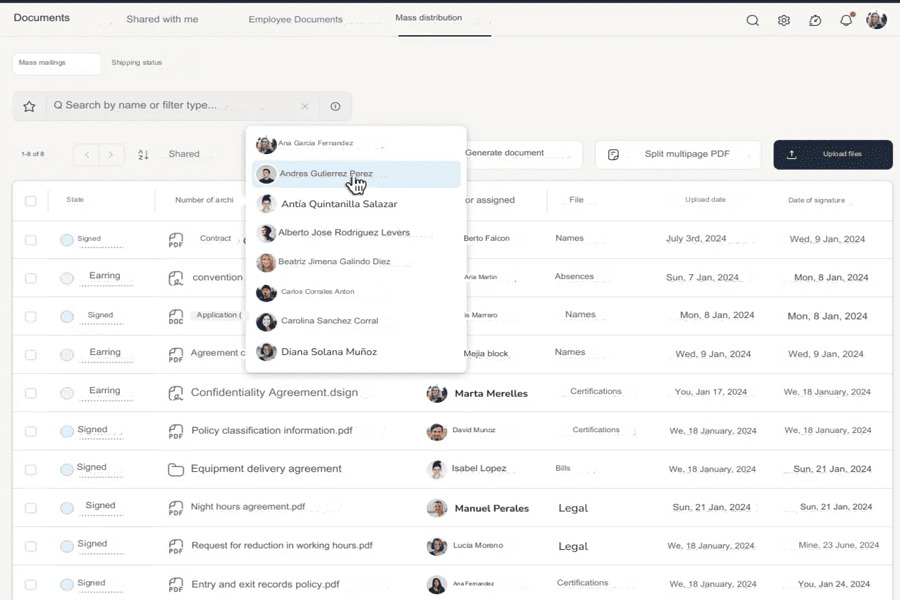
A company’s data is a valuable asset that is exposed in various situations. From teleworking and simple email to the use of personal devices, to the appearance of malware or phishing attacks. Therefore, it is necessary to implement strong security policies and conduct ongoing training to mitigate weaknesses and maintain data security.
Otherwise, the organization may be exposed to significant risks, including information theft, service disruptions, reputational damage, and potential legal sanctions. It may hurt the company’s image, productivity, internal trust, talent acquisition, or customer relations.
Data Security Regulations Applied to HR
One of the biggest concerns for organizations regarding digital security is the legal aspect. Employee data is highly sensitive, so it must be handled and stored in accordance with current legislation. Otherwise, companies may face severe penalties and employee conflicts.
Companies must ensure their information management systems comply with current data protection regulations and the competent bodies’ recommended practices to avoid this.
ISO 27001
It is a global standard that delivers a framework for establishing and managing an Information Security Management System (ISMS) in any organization. This standard is especially relevant for HR, as it establishes guidelines for protecting employees’ personal information and company data.
This global standard comprises processes that enable the implementation, maintenance, and continuous improvement of the digital security of the company’s resources. ISO 27001 also establishes that the system:
- It must be adjusted to the needs of each company
- Establish security controls
- Regularly evaluate its effectiveness. Provide ongoing training to all employees.
- Raise staff awareness of information security.
Companies can become certified in ISO27001 to demonstrate their commitment to information security and to have the tools necessary to manage security risks effectively. This certification provides a trust that can be crucial in establishing relationships with clients, employees, and future employees.
ISO 27002
ISO27002 is an extension of ISO27001 and provides more detailed guidance on each security control mentioned in the standard. This standard is valuable for companies looking to explore the technical aspects of information security and control procedures in depth.
Revised in 2022, ISO 27002 addresses new digital security challenges and provides guidelines for protecting information in today’s global, digital environment. It details processes that address security from a comprehensive approach, considering human, physical, technological, and organizational factors.
It also emphasizes adopting international practices, proactive prevention, resilience to security incidents, organizational culture improvement, and a commitment to information security.
GDPR and LOPD
The General Data Protection Regulation (GDPR) is a law that is designed to protect personal data and privacy. This regulation implies great control for HR departments because they deal with the daily processing of large amounts of personal information regarding employees, job recommendation letter and job candidates.
The GDPR already provides comprehensive mandates requiring all organizations to implement appropriate security measures to protect personal data. Still, it cannot notify the relevant authorities of a security breach. It also provides that employees are entitled to access their data, request amendments, request deletion, and object to further data processing. Failing to do it could lead to severe financial penalties.
What Challenges Does HR Digital Security Present?
According to the Global Data Protection Index 2023, prepared by Dell Technologies, 52% of organizations have suffered a cyberattack or experienced a data-related incident. In addition, 90% have experienced a total or partial shutdown of their IT systems, 40% of which were due to a security breach.
These data are just a sample of the growing threat of cybercrime to companies. Hackers constantly seek new ways to infiltrate organizations’ systems and access valuable information. In addition, the adoption of teleworking has posed a new security challenge.
Digital security is the major barrier organizations must overcome during digitalization and modernization. To do so, it is necessary to take into account the main challenges that its implementation entails :
- Humans: People are the weakest link in digital security. All employees must have sufficient skills and knowledge to protect company data and be aware of and committed to the cause.
- Location-based: The rise of remote work has expanded the security perimeter, requiring new measures to protect data. Accessing company information from unsecured locations and devices can put data security at risk.
- Technological: New technologies and digital platforms constantly bring new security challenges. Organizations should stay up to date with the latest HR software trends and use them to improve security.
- Legal: Data protection laws are constantly evolving, so organizations need to remain compliant to avoid fines and legal issues.
- Mobile and personal devices: Using personal devices for work, or BYOD (Bring Your Own Device), can put the company at risk if not handled carefully. To keep data secure, it’s important to have clear rules and ensure all devices used for work are well protected.
- Cultural: Data security goes beyond all of the above. It is a cultural issue that the company must root in its long-term values, since users, by default, find security regulations complex and impractical to follow.
Cyber Threats: What are the Most Common Ones?
Cyber threats warrant a separate chapter in discussions of the digital security challenges companies must face. Every day, new threats emerge that seek to exploit weaknesses in information systems. Some of the most common are listed below:
- Phishing: Cybercriminals impersonate someone trustworthy to trick people into giving up their data or granting access to a system. They often send fake emails or messages with links to fake websites.
- Malware: harmful software that is installed on devices without the user’s permission. It can steal, lock, or delete data, change how the system works, or secretly track what users are doing.
- Ransomware: This type of malware encrypts user data and demands a ransom to unlock it. Ransomware attacks can devastate businesses by resulting in the loss or inaccessibility of critical data.
- DDoS attacks: In these attacks, multiple computers attack a system to overload it and disrupt service, thereby affecting the availability of information.
- Smishing: is done via text messages, SMS, or instant messaging apps. Criminals send fake messages to trick users into revealing personal or financial information.
- AI: Artificial Intelligence (AI) is the next big threat. It can be used to carry out cyberattacks in more sophisticated and effective ways, such as creating highly convincing phishing emails or large-scale automated attacks.
Case Studies: Digital Security Breaches in HR
Hundreds of thousands of businesses worldwide have discovered that digital security is essential to maintaining the integrity of their information and keeping company and employee information safe. Here are some examples of the consequences of ignoring it:
- Uber: Uber suffered a cyber attack that exposed the names and license numbers of nearly 600,000 drivers in the US and the personal information of 57 million users worldwide. To recover and delete all the data, they had to pay $100,000 to the hackers. The British regulator later imposed a £385,000 fine.
- Equifax: The credit reporting company suffered one of the largest security breaches in history, exposing the personal information of an estimated 143 million people. The leaked information included names, Social Security numbers, birth dates, addresses, and credit card information. It had to pay over $18.5 million in user lawsuits, and its total losses exceeded $1 billion.
- Sony Pictures: In 2014, Sony Pictures experienced a cyber attack that led to a data leak of confidential information, including employees’ personal details and internal emails. More than 100TB of sensitive data was exposed. In addition to a £300,000 fine, the attack harmed the company’s reputation.
The cases of Uber, Equifax, and Sony Pictures demonstrate that digital security goes far beyond protecting data and IT systems. It also involves protecting the company’s reputation and the trust of customers and employees. Taking early action to prevent and handle cybersecurity threats is very important.
Best Strategies for Digital Security in Human Resources Security
Although no secret formula guarantees protection, various strategies and measures can be implemented to enhance digital security within the Human Resources function.
Using HR Software to Ensure Department Security
Advanced technology is one of the most effective and better ways to protect information and data in HR. Implementing HR management software can provide everything you need to build a strong foundation and ensure your employee and candidate data is secure, complete, and available.
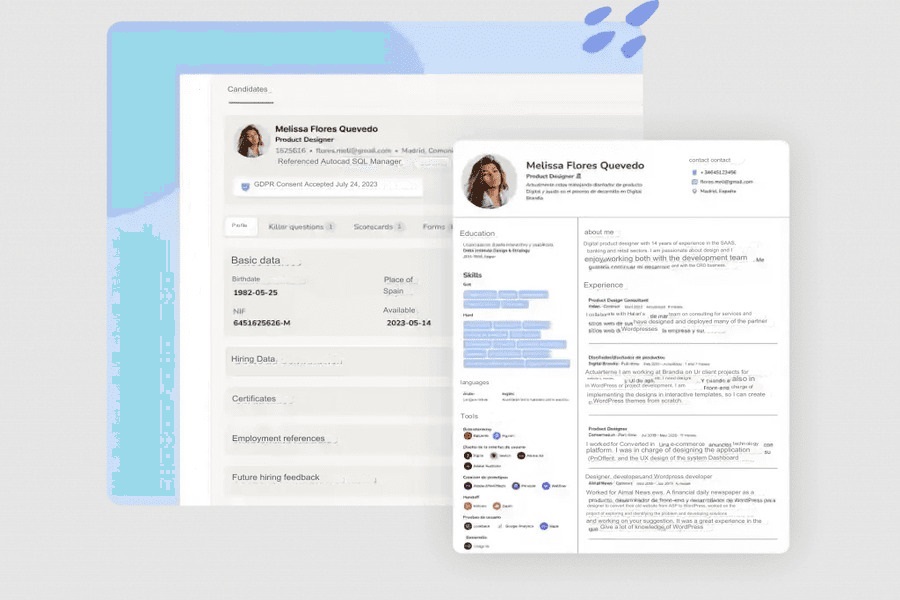
HR software needs strong security features, such as data encryption and two-factor authentication. Following data protection rules and standards is key to keeping information secure. Using cloud-based HR software offers additional benefits; cloud providers have skilled security teams and advanced tools focused on keeping data secure. They also regularly update security and back up data to ensure it remains safe and accessible at all times.
Beyond security issues, its features also help us face several challenges. In addition, access to information is immediate and from anywhere, facilitating teleworking and employee mobility.
Safety Training
An effective strategy to improve digital security in human resources is employee training and education. Employees should understand the importance and value of protecting data and how their actions can impact the security of the company’s information.
Additionally, it’s important to educate employees about company security policies and ensure they understand and follow them. This includes policies on using strong passwords, protecting personal devices, and online privacy. Training should be ongoing, and adaptations should be made to changes in security threats and technologies. HR software can make this type of training easier to access.
Security Policies
Security policies must be implemented comprehensively and easily accessible to all employees. They should cover aspects such as data confidentiality, use of personal devices for work, password management, access to the company network, and employee responsibilities in the event of a security breach.
Security policies need regular reviews and updates to stay effective. Remember, these policies only work if they’re followed, so employees must understand and stick to them.
If necessary, fines and penalties should be established for those who do not do so, or a reward system should be chosen to encourage its practice.
Confidentiality Contractual Agreements
The company must establish and enforce confidentiality agreements with all employees and external collaborators to protect information. These agreements must cover all data and information to which employees have access and specify the consequences of their unauthorized disclosure.
Revocation of access to information and the return of all company data and resources upon the end of the employment relationship should also be covered. These agreements are important for protecting company information and preventing data leaks. Additionally, agreements should be made for job candidates or to clarify intellectual property rights. Overall, these steps will help prevent information leaks and improve digital security.
Security Incident Response Plan
Having a security incident response plan is an essential preventative strategy. This plan should contain well-defined procedures and protocols to follow during a security breach. It should include steps to isolate and control the breach, minimize damage, and restore affected systems and data. Regular backups are also essential and can be handled automatically by an HR solution.
In addition, the plan should specify the roles and responsibilities of team members during an emergency, as well as how internal and external communications will be conducted. Regular testing is important to ensure everyone knows the procedures and can respond effectively in a real situation.
Collaboration
It is important to remember that data protection and information security are not the exclusive responsibility of the HR or IT department. The active participation of all members of the organization is required to maintain information security and protect valuable company data.
Company culture
Digital security policies and data protection practices should be a core part of the company culture. Leaders in the organization should foster a strong focus on information security and encourage every employee to take responsibility for safeguarding company data.
Security Audits
Security audits are a useful way to check and improve security measures. They help find any weaknesses or issues in security so that actions can be taken to fix them.
Information security professionals should conduct security audits regularly. The results of the audits should be used to boost security and reduce the risk of security breaches.
HR Security Trends and Predictions
AI and machine learning are becoming useful tools to strengthen digital security in HR. They can spot unusual behavior, detect possible threats, and automate responses to security issues. However, using these technologies also brings challenges, such as ensuring the algorithms and data they rely on are secure.
Artificial intelligence (AI) is important for businesses because it helps automate the processes of preventing, detecting, and responding to security threats. Some companies are already using AI to watch network activity in real time and notify them if anything suspicious happens.
Finally, cloud computing adoption is expected to continue to increase, posing new data security challenges. Businesses must work very closely with cloud service providers to ensure data is protected and all data protection regulations are met.

June 9, 2026

June 9, 2026

June 9, 2026
June 9, 2026

June 9, 2026