Contents
In this article, you will learn everything about the minimum wage in Switzerland. So if you are planning to emigrate or simply work there, you can protect yourself with the following information.
How Does the Minimum Wage in Switzerland?
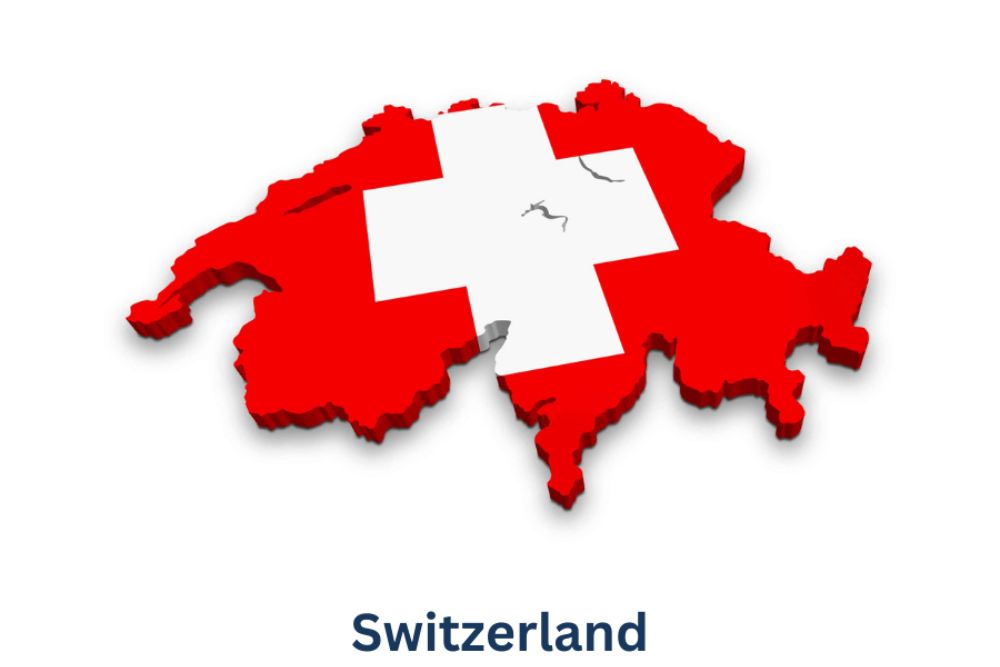
Switzerland does not have a national, statutory minimum wage, as is the case in Germany. However, some cantons have introduced a minimum wage in their areas. There are also certain employment contracts for industries or within companies that dictate a minimum wage.
A decade ago, a popular initiative wanted to introduce a national minimum wage of 22 francs per hour, but this was rejected by the people in 2014.
How High is the Minimum Wage in Switzerland?
The minimum wage in Switzerland is only common in some cantons and varies from canton to canton. In the existing cantons, the minimum wage is as follows:
|
Canton |
Per hour |
| Geneva |
24 CHF |
|
Ticino |
19 – 19.5 CHF (depending on industry) |
| Jura |
20.60 CHF |
|
Basel-Stadt |
21 CHF (not all sectors) |
| Neuenburg |
21.09 CHF |
As a note: In Switzerland, a 42.5-hour week is more likely to be possible than a 40-hour week.
In addition, a minimum wage will soon also be applied in Zurich. On June 18, 2023, a proposal for a minimum wage of at least CHF 23.90 was approved, valid for all employees who work predominantly in Zurich.
Who Sets the Minimum Wage?
The minimum wage in Switzerland is set at the cantonal level by the respective cantonal governments. In the case of industry- or company-specific minimum wages, either unions fight for higher wages or companies set higher levels.
The minimum wage was last increased in the cantons on the following date:²⁺⁵⁺⁶
- Geneva: 2023
- Ticino: 2021
- Jura: 2020
- Basel-Stadt: 2023
- Neuchâtel: 2024
Why is There No National Minimum Wage in Switzerland?
In 2014, there was a popular federal initiative that wanted to introduce a national minimum wage in Switzerland. The initiative was initiated by left-wing parties and trade unions. In total, over 112,000 signatures were collected in almost a year.
In the actual vote, the result was clear: only 23.73% voted yes, with a majority rejecting it from the people, the National Council, and the Council of States.
The issue was not addressed again until 2017, when the canton of Neuchâtel introduced a minimum wage.
Collective Labor Agreements (CLAs)
CLAs play a significant role in determining wages for many Swiss workers. These agreements are negotiated between unions and employers or employer associations, often setting minimum wages for specific industries or companies. Approximately half of all employees in Switzerland are covered by a CLA, with about 1.7 million workers benefiting from CLA-mandated minimum wages.
How Much Does It Cost to Live in Switzerland?
In Numbeo’s cost of living index, Switzerland ranks second for the highest costs, behind Bermuda and ahead of the Cayman Islands. In comparison, Germany ranks 29th.
Due to Switzerland’s high median salary of 6788 CHF (as of 2022), the cost of living is, of course, also rising. In concrete terms, this looks like this for some everyday categories and expenses:
|
cost |
Price |
|
Cheap meal |
25.00 CHF |
|
Water, 1.5 l bottle |
1.28 CHF |
| rice 1 kg |
2.84 CHF |
|
Taxi, price per km |
4.00 CHF |
| gasoline, 1 l |
1.87 CHF |
|
Local beer, 0.5 l |
2.05 CHF |
| Fiber optic internet, 60+ Mbps |
48.79 CHF |
|
monthly public transport ticket |
80.00 CHF |
*At the time of research, the exchange rate is 1 EUR = 0.98 CHF
Also Read: Minimum Wage in Japan
Working Hours in Switzerland
It’s important to note that the standard work week in Switzerland is typically 42.5 hours, slightly longer than the 40-hour week common in many other countries.
Conclusion
There is no national minimum wage in Switzerland, but some cantons have one, though it varies and does not apply to everyone. In addition, some industries or companies also have a minimum wage.

June 9, 2026

June 9, 2026

June 9, 2026

June 9, 2026

June 9, 2026